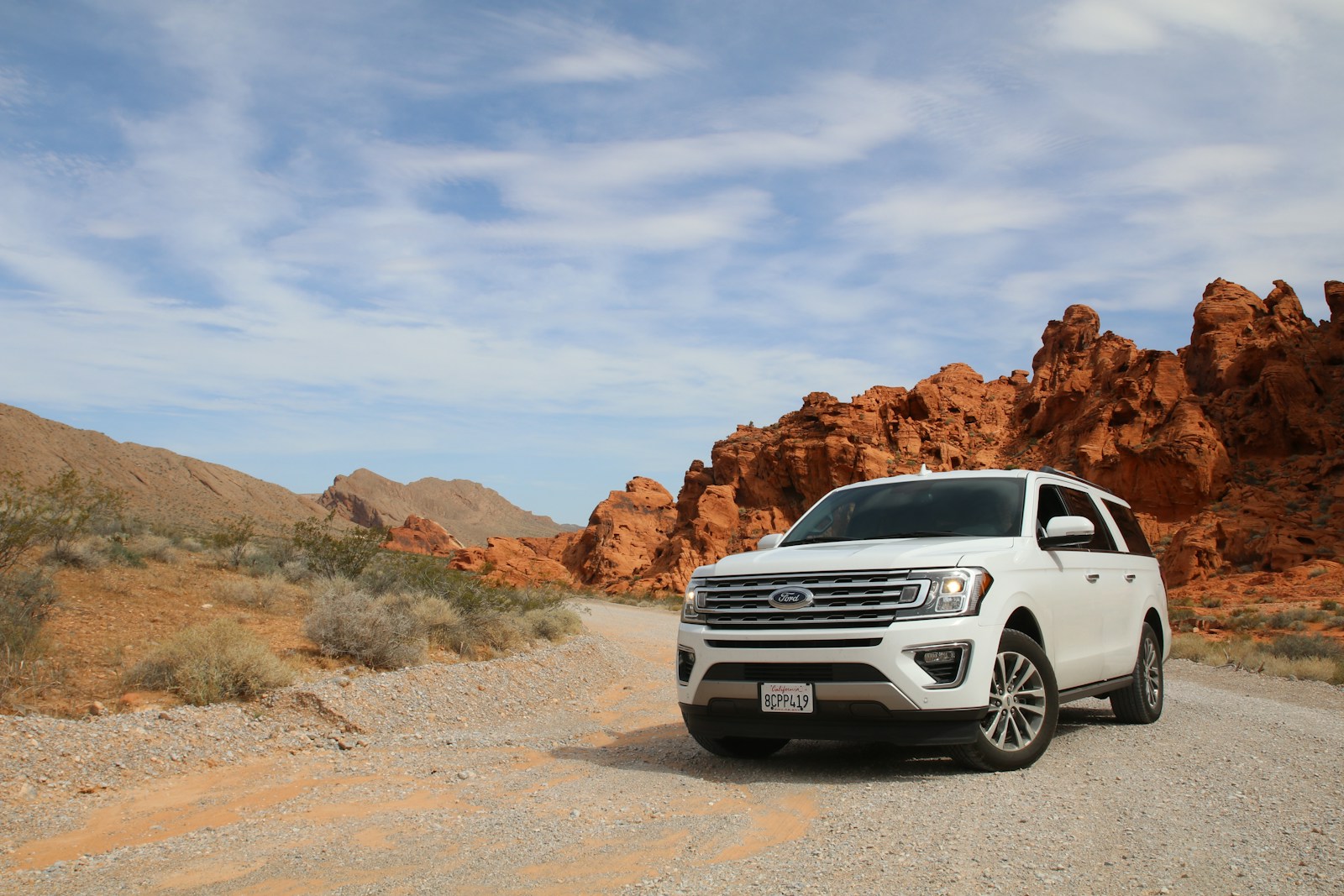
Understanding vehicle inspection regulations is key for car owners, as these annual checks, while sometimes feeling like a hassle, are vital for ensuring our vehicles are safe for ourselves, others, and the environment.
To properly discuss state policies, we must differentiate between ‘worse’ and ‘worst’; ‘worse’ is comparative, meaning ‘more bad’ when comparing two things, while ‘worst’ is superlative, meaning ‘most bad’ when identifying the absolute extreme among more than two.
This article aims to provide a clear, data-driven look at 12 states that stand out for their minimal or entirely absent mandatory annual car inspection requirements. While “car enthusiasts with a more libertarian view of things” might find these states appealing, a comprehensive understanding requires evaluating the potential consequences of such relaxed regulations. We will explore how the lack of regular safety and emissions checks in these states might impact everything from road safety to air quality, offering a consumer-centric perspective that empowers readers to make informed decisions about where they live and drive, especially regarding vehicle maintenance and regulatory oversight.

1. **Alaska**Alaska, the largest state by area, is one of the 14 states that, “until very recently,” as the context informs us, did not require any yearly vehicle inspections. This means that once a vehicle is registered in Alaska, its owner is not mandated by the state to undergo routine safety or emissions inspections on an annual basis. This policy stands in stark contrast to many other states where such checks are a regular part of vehicle ownership.
For residents and potential newcomers, this lack of requirement can translate into lower annual costs and less administrative hassle. Car owners don’t need to factor in the time or expense of taking their vehicle to an inspection station yearly. However, this absence of mandatory checks also shifts the entire burden of ensuring vehicle roadworthiness and environmental compliance squarely onto the individual owner.
While personal responsibility is a core tenet, the absence of a standardized, periodic inspection program means there’s no official safeguard to catch deteriorating brakes, worn tires, or malfunctioning emission systems that might otherwise go unnoticed. From the perspective that vehicle inspections are “vitally important for making sure what we drive isn’t deeply unsafe,” Alaska’s approach, or rather its lack thereof, presents a situation where potential hazards might persist on the road, impacting both the driver and others.

2. **Arkansas**Following Alaska, Arkansas also features on the list of states that “currently don’t have any yearly vehicle inspections to speak of.” This places it among the most lenient states when it comes to vehicle oversight. Like Alaska, car owners in Arkansas are not subjected to mandatory annual safety or emissions inspections, providing them with considerable freedom regarding vehicle maintenance schedules.
This policy choice has direct implications for the state’s residents. On one hand, it can be seen as a consumer-friendly approach, reducing the financial burden and time commitment associated with yearly inspections. There are no state-mandated fees for inspections, nor is there a need to schedule appointments and wait for checks to be completed. This can be particularly appealing to individuals who prefer minimal government intervention in their personal property.
From a community perspective, states with minimal inspections risk allowing potentially unsafe or high-polluting vehicles on the road, which, as noted, inspections are ‘vitally important’ to prevent, raising concerns about overall road safety.

3. **Florida**Florida, a state known for its sunny weather and bustling tourism, also aligns with the group of states that do not impose yearly vehicle inspections. The context explicitly names Florida among the “baker’s dozen of states” that have no mandatory annual safety, emissions, or VIN inspections for vehicles. This means that Floridians, much like residents of Alaska and Arkansas, operate their vehicles without the requirement of periodic state-mandated checks.
For many residents, this policy is a convenience. It eliminates the need to pay inspection fees, endure wait times, or address minor issues that might otherwise fail an inspection. This contributes to a perception of less bureaucratic red tape and potentially lower costs of vehicle ownership within the state. The practical and actionable advice here for consumers is that self-reliance in vehicle maintenance is absolutely critical in such an environment.
However, the lack of a standardized inspection regime means that the onus for vehicle safety and environmental compliance rests entirely on individual owners. Without a system designed to identify and rectify issues like worn brake pads, faulty headlights, or excessive exhaust emissions, there’s an increased possibility of unsafe vehicles sharing the road. This can lead to “worst-case scenarios” in terms of accidents or environmental degradation, emphasizing why inspections are “vitally important” for the collective good.

4. **Iowa**Iowa, a state characterized by its vast agricultural landscapes, also falls into the category of states that “currently don’t have any yearly vehicle inspections to speak of.” This means that vehicle owners in Iowa are not required to submit their cars, trucks, or motorcycles for annual safety or emissions testing. This policy reflects a hands-off approach to vehicle regulation, which can be viewed positively by many.
The practical implication for Iowan drivers is a simpler, less expensive annual routine. They are not burdened with the recurring costs of inspection fees or the time commitment involved in taking a vehicle to an authorized inspection facility. This aligns with a consumer-centric model that prioritizes individual autonomy and minimizes state interference in personal property and expenses, echoing a “libertarian view of things.”
Despite the immediate benefits to individual drivers, the absence of mandatory inspections can raise concerns about aggregate road safety and environmental protection. Without a system to regularly verify that vehicles meet minimum operational and emissions standards, the risk of unroadworthy vehicles being driven increases. This creates a potential ‘worse’ situation for collective safety and environmental health compared to states with stringent oversight, underscoring the “vitally important” role that inspections play in a broader societal context.

5. **Michigan** Michigan, despite its automotive heritage, doesn’t require yearly mandatory inspections, placing it among 14 states with no annual vehicle checks, making it one of the most lenient regarding state-mandated vehicle oversight.
This approach directly benefits vehicle owners by eliminating the recurring financial cost and time commitment associated with regular inspections. For drivers, this can translate into a more streamlined and less expensive annual vehicle ownership experience. The state’s policy empowers vehicle owners to manage their maintenance without direct governmental checks, appealing to those who favor less regulatory burden.
However, for a state with such a deep connection to the automotive industry, the absence of inspections can present a complex challenge. While individuals are expected to maintain their vehicles, there’s no official mechanism to ensure compliance with safety and environmental standards. This potential for vehicles with serious issues to remain on the road can create a ‘worse’ safety environment, making it harder to ensure that all vehicles are operating safely and cleanly, directly impacting the collective well-being and environmental quality, which inspections are “vitally important” to protect.

6. **Minnesota**Minnesota is another state on the list that “currently don’t have any yearly vehicle inspections to speak of.” This places it in the company of states that offer maximum flexibility to vehicle owners regarding mandatory state-level checks. Residents of Minnesota are not required to undergo annual safety, emissions, or VIN inspections for their vehicles, simplifying the process of vehicle ownership.
This policy offers consumers direct advantages by reducing costs and saving time, aligning with advice that emphasizes consumer autonomy in maintaining their vehicle’s condition without state-imposed deadlines or fees.
Yet, this freedom comes with a significant trade-off from a public interest perspective. Without routine inspections, there’s a higher likelihood that vehicles with hidden defects or excessive emissions could go undetected. The context highlights that inspections are “vitally important for making sure what we drive isn’t deeply unsafe for us, the people around us or the environment as a whole.” Thus, from this authoritative, data-driven viewpoint, Minnesota’s minimal requirements contribute to a scenario that, while appealing to some, presents a ‘worst-case’ in terms of consistent vehicle safety and environmental stewardship across the state’s roadways.
Continuing our examination of states with minimal vehicle inspection requirements, this section delves into the remaining six states that offer similar freedoms to their drivers. While the allure of fewer regulations is undeniable for many, a comprehensive consumer-centric view necessitates an understanding of the trade-offs involved. We will further discuss how the policies in these states impact public safety, environmental standards, and the individual responsibility placed upon vehicle owners, building on the framework established in Section 1.

7. **Mississippi**Mississippi stands as another state in the group that “currently don’t have any yearly vehicle inspections to speak of.” This places it among the 14 states where vehicle owners are not mandated to undergo annual safety or emissions testing. For residents, this policy means a straightforward approach to vehicle ownership, free from the recurring costs and logistical challenges often associated with state-mandated checks.
From a practical standpoint, the absence of these requirements translates into direct financial savings for car owners in Mississippi. They avoid inspection fees and the potential expense of repairs that might be flagged during a mandatory check. This aligns with a consumer-centric perspective that values autonomy and reduced administrative burdens, allowing individuals more control over their vehicle maintenance decisions.
However, this freedom comes with a significant caveat from a public safety perspective. Without a standardized system to periodically assess vehicle roadworthiness, the onus for ensuring a car is safe and compliant with environmental standards rests entirely on the individual. This can lead to a ‘worse’ situation for collective road safety, as potentially unsafe vehicles with issues like worn tires or malfunctioning lights might remain on the road, increasing risks for all drivers.
The context reminds us that inspections are “vitally important for making sure what we drive isn’t deeply unsafe for us, the people around us or the environment as a whole.” In Mississippi, consumers must be acutely aware of this responsibility, making proactive self-assessment and voluntary maintenance checks absolutely crucial to mitigate the risks inherent in a largely unregulated vehicle environment.
8. **Montana**Montana, known for its rugged landscapes, is also counted among the states that “currently don’t have any yearly vehicle inspections to speak of.” Vehicle owners in Big Sky Country enjoy the liberty of not being subjected to mandatory annual safety or emissions inspections, reflecting a state philosophy that emphasizes individual freedom over centralized regulatory oversight.
Drivers in Montana benefit immediately from skipping an annual chore and its associated costs, simplifying vehicle ownership and reflecting a viewpoint where the state trusts individuals to manage their property responsibly without mandatory checks.
Yet, the lack of such a program implies that potential vehicle defects or excessive emissions might go unnoticed, presenting a risk to public welfare. From the authoritative stance that inspections are “vitally important,” Montana’s policy creates a scenario where the collective safety net provided by regular checks is absent. This can contribute to a ‘worst-case’ environment in terms of maintaining a uniformly high standard of vehicle safety across the state.
For consumers in Montana, informed decision-making about vehicle maintenance becomes paramount. NerdWallet’s actionable advice would highlight the importance of diligent personal vehicle checks and adhering to manufacturer-recommended service schedules, even without a state mandate, to ensure their vehicle remains safe and environmentally friendly.

9. **North Dakota**North Dakota joins its Midwestern neighbors in not requiring any yearly vehicle inspections, further solidifying the trend among a number of states to adopt a hands-off approach to vehicle regulation. As one of the 14 states on this list, vehicle owners here are not required to put their cars through annual safety or emissions tests.
This policy choice provides clear financial and time-saving advantages for North Dakota residents. Drivers are spared the expense of inspection fees and the time investment of undergoing periodic checks. Such an approach can be seen as consumer-centric, reducing barriers and costs associated with vehicle ownership, which is particularly beneficial in a state with vast rural areas where inspection facilities might be less accessible.
However, the implications for public safety and environmental standards are a vital consideration. Without a state-mandated program, there is no official mechanism to routinely identify and address issues like faulty brakes, worn-out steering components, or excessive pollutant emissions. This raises concerns about the potential for vehicles that are not in optimal condition to operate on public roads, potentially leading to ‘worse’ safety outcomes.
The absence of mandatory inspections means North Dakota residents bear the full responsibility for their vehicle’s compliance and safety. For consumers seeking practical guidance, this means prioritizing preventative maintenance, understanding the warning signs of vehicle issues, and perhaps considering voluntary diagnostic checks to ensure their vehicles don’t become “deeply unsafe” for themselves or others.

10. **South Carolina**South Carolina is another state where car owners enjoy the convenience of not being subject to annual vehicle inspections. This state is explicitly named among the “baker’s dozen of states” that have eliminated mandatory yearly safety, emissions, or VIN inspections. This policy decision shapes the landscape of vehicle ownership for its residents.
The primary benefit for South Carolinians is the reduced bureaucratic burden and the associated cost savings. Vehicle owners do not need to factor inspection fees into their annual budget or allocate time for these checks. This freedom from regulatory oversight can be viewed as empowering for consumers, allowing them greater discretion in how they manage their vehicle maintenance.
Yet, the lack of a consistent inspection regime can have broader societal impacts. Without regular state-mandated checks, there’s an increased likelihood that vehicles with critical safety defects or those exceeding environmental emission limits could remain in operation. This scenario can create a ‘worse’ environment for overall road safety and air quality compared to states with more stringent regulations.
NerdWallet’s data-driven approach would underscore that while individual convenience is a factor, the collective welfare depends on sound vehicle operation. In South Carolina, consumers are advised to proactively ensure their vehicles meet safety and environmental standards, recognizing that the state relies on individual conscientiousness rather than a systematic inspection process to prevent “deeply unsafe” situations.

11. **South Dakota** Similar to Montana, South Dakota doesn’t require ‘any yearly vehicle inspections to speak of,’ exempting owners from annual safety and emissions tests, which appeals to many residents due to the flexibility and cost savings it offers.
The immediate advantage for South Dakota drivers is the relief from annual inspection costs and the time expenditure. This aligns with a consumer-centric model that prioritizes individual autonomy in managing personal property. It reduces the overhead associated with vehicle ownership, a clear financial benefit in a state that values minimal government intervention.
However, this policy choice inherently places the entire responsibility for vehicle roadworthiness on the owner. Without a regular, official check, there is a heightened risk that mechanical issues or excessive emissions might go unaddressed. This can contribute to a ‘worst’ possible scenario in terms of undetected hazards on the road, impacting not only the vehicle’s occupants but also other road users and the environment.
It’s crucial for consumers to recognize this trade-off and, for residents of South Dakota, adopting a rigorous schedule of personal vehicle checks and regular professional maintenance is practical advice to ensure safety despite the lack of mandatory state oversight.

12. **Washington**Rounding out our list of states with minimal inspection requirements is Washington, which, like the others discussed, is among the states that “currently don’t have any yearly vehicle inspections to speak of.” This means that vehicle owners in Washington are not subjected to mandatory annual safety or emissions inspections, offering considerable latitude in vehicle maintenance.
Washington drivers gain convenience and cost savings from the absence of yearly inspection fees and mandatory checks, simplifying vehicle ownership and empowering consumers by clearly showing the practical impacts of state regulations.
Nevertheless, the lack of a comprehensive inspection program carries significant implications for public safety and environmental quality. Without regular oversight, there’s a higher chance that vehicles with unaddressed mechanical faults or excessive exhaust emissions could be driven on public roads. This creates a potential ‘worse’ situation for all road users, where vehicles might be “deeply unsafe” without an official mechanism to identify and rectify such issues.
For Washington residents, this emphasizes the importance of taking personal initiative in maintaining their vehicles to the highest standards. The NerdWallet approach would advise diligent attention to vehicle warning signs, proactive repairs, and understanding that while the state doesn’t mandate checks, the responsibility for ensuring a safe and environmentally sound vehicle falls squarely on the individual owner.
Our exploration of these 12 states with minimal or no mandatory annual car inspections highlights a constant tension between consumer convenience and the critical needs of public safety and environmental protection; while fewer regulations are appealing, the onus of ensuring a vehicle isn’t ‘deeply unsafe for us, the people around us or the environment as a whole’ falls entirely on the owner, making informed decisions paramount for everyone’s well-being.