The allure of a sports car is undeniable – the thrilling performance, the striking style, and the sheer joy of driving. Yet, beneath the polished exterior and roaring engine, a less glamorous reality often lurks: rapid depreciation. While many dream of owning a high-powered machine, the financial impact of owning one, particularly concerning its long-term value, can be a sobering consideration. Not all sports cars are destined to be sound investments; in fact, many begin as flashy purchases only to see their worth quickly diminish.
Understanding which models shed value fastest is crucial, whether you’re a serious buyer or simply an enthusiast curious about the automotive market’s dynamics. Several factors contribute to this swift decline, from market saturation and stiff competition to high maintenance costs and rapid technological advancements. Our deep dive into the depreciation trends of these performance vehicles aims to provide a clear picture of why some highly desirable sports cars don’t hold their value as well as their counterparts.

1. **Chevrolet Camaro**The Chevrolet Camaro, an American icon, is celebrated for its bold performance and aggressive styling. Despite its initial high sales and a range of powerful engine options, including the potent V8 found in the SS model, the Camaro tends to lose value quickly once it leaves the dealership lot. This rapid depreciation can be attributed to several market forces that significantly impact its appeal in the used car market.
A major factor is the intense competition it faces within its segment, particularly from rivals like the Ford Mustang and Dodge Challenger. This fierce battle for market share often leads to Chevrolet offering attractive dealer discounts and incentives on new models, which inadvertently sets a lower benchmark for future resale prices. When new cars are sold with substantial discounts, it naturally pushes down the value of existing used models.
Furthermore, Chevrolet has historically produced the Camaro in large volumes, especially during its final model year, with 31,028 units produced in the US. This high supply, coupled with a demand that, while strong, can be saturated, contributes to a faster decline in value. As newer variants and generations are introduced, older models quickly lose their perceived exclusivity and appeal, accelerating their depreciation.

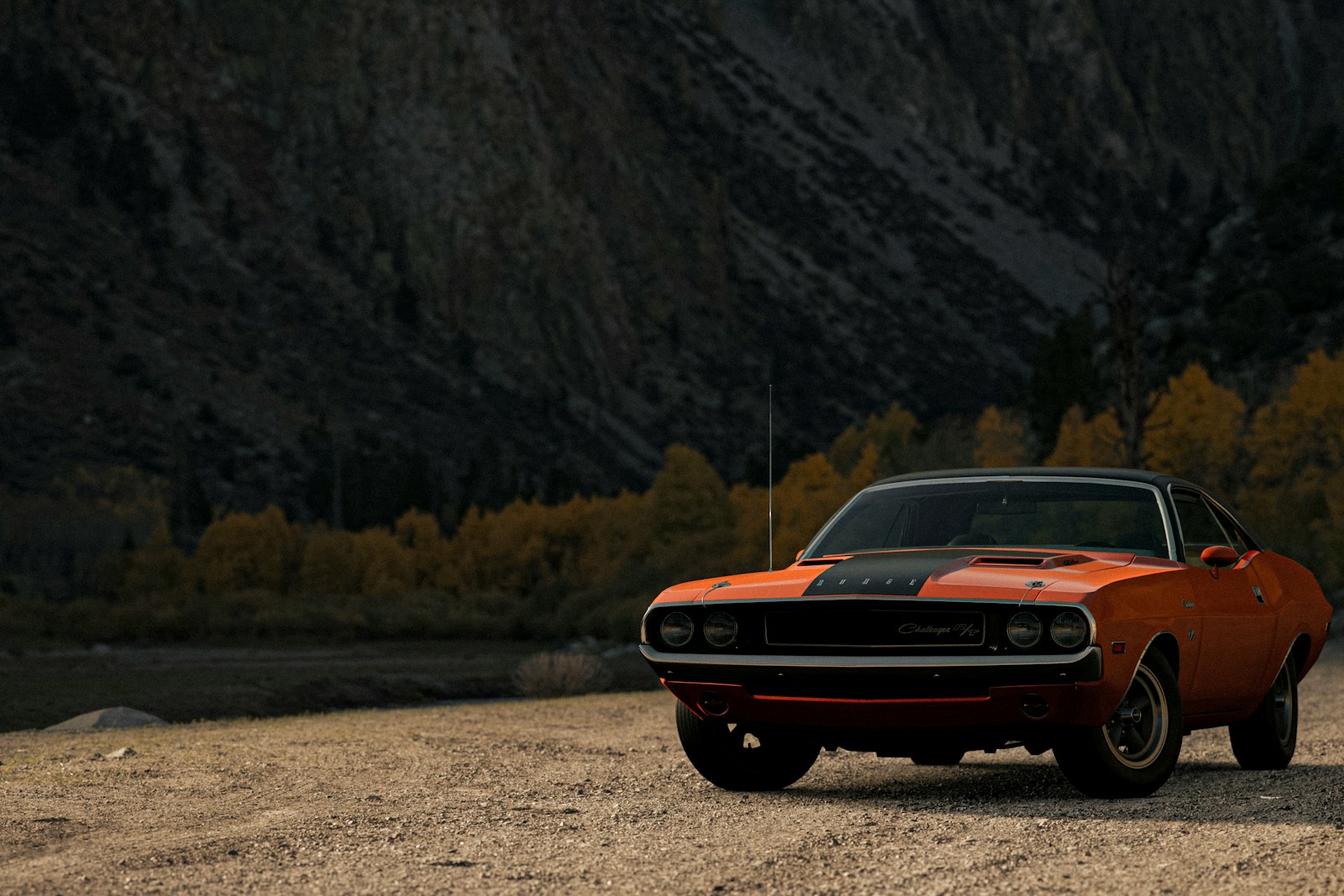
2. **Dodge Challenger**The Dodge Challenger commands respect with its iconic muscle car appeal and formidable horsepower, exemplified by beastly variants like the Hellcat. However, despite its legendary status, the Challenger is another victim of rapid depreciation. This decline is largely influenced by its high production volumes and a somewhat narrow appeal to a dedicated segment of muscle car enthusiasts.
The Challenger’s design, while instantly recognizable, has not undergone significant evolution over the years, contributing to a sense of familiarity that can detract from its long-term novelty. Its hefty weight, combined with the factors mentioned above, means that these powerful machines experience a faster decline in resale value compared to some of their more exclusive or dynamically evolving rivals.
Moreover, the recent discontinuation of the Challenger after the 2023 model year, even with the introduction of high-horsepower specials like the SRT Demon 170, creates a complex scenario for depreciation. While discontinuation can sometimes boost collector value for specific, rare trims, it typically signals a dwindling interest in the general used market for the wider model range, pushing down values across the board as the brand moves on.

3. **Ford Mustang**The Ford Mustang stands as one of the most universally recognized and popular American sports cars, boasting a rich heritage and a wide array of models from the efficient EcoBoost to the powerful GT. Despite this widespread popularity, the Mustang often fails to hold its value as well as one might expect for such an esteemed vehicle. The primary reason for this rapid depreciation is the sheer market saturation.
The automotive landscape is flooded with Mustang models, both new and used, which significantly diminishes any sense of exclusivity. With so many options available, from various trims to different model years, the demand for any single used Mustang is diluted, leading to lower resale values. This abundance makes it a buyer’s market for pre-owned Mustangs.
Adding to this, Ford is known for its frequent model updates and special editions. While exciting for new car buyers, these consistent releases mean that previous versions quickly become “older news.” As newer, often more technologically advanced models become available, the perceived value of older Mustangs depreciates at an accelerated rate, making it challenging for owners to retain their initial investment.

4. **BMW M4**The BMW M4 represents a pinnacle of luxury performance, seamlessly blending sophisticated engineering with an exhilarating driving experience. Yet, even with its high-performance credentials and premium badge, the M4 is susceptible to a swift drop in resale value. This phenomenon is quite common among high-end luxury sports cars, where the initial purchase price is just the beginning of the financial commitment.
A significant deterrent for potential second-hand buyers is the concern surrounding costly maintenance and repair. BMW vehicles, especially their M performance variants, are renowned for demanding specialized service and expensive parts, which can quickly add up. These anticipated future expenses make a used M4 less appealing, despite its initial allure and performance capabilities.
The M4’s high initial price tag also plays a crucial role in its substantial value loss. A larger initial investment means there is simply more value to lose in absolute terms compared to more affordable sports cars. As it enters the used market, the pool of buyers willing and able to shoulder both the depreciation and the potential running costs becomes considerably smaller.

5. **Audi S5**The Audi S5 captivates with its sleek styling, luxurious interior, and the formidable grip of its Quattro all-wheel-drive system, drawing in buyers who desire a blend of performance and sophistication. However, this sophisticated coupe, much like its luxury performance peers, experiences a notably high rate of depreciation, often losing a significant portion of its value within just a few years of ownership.
One of the main culprits for the S5’s rapid decline in value is its characteristically high maintenance costs. Owners of premium German vehicles often face substantial bills for routine servicing and unexpected repairs, which can deter budget-conscious used car shoppers. This perception of expensive upkeep weighs heavily on its resale potential.
Furthermore, Audi’s relentless pace of technological advancement means that newer models frequently introduce cutting-edge features and improved performance. This rapid evolution causes older S5 versions to quickly appear outdated, diminishing their appeal and accelerating their depreciation in the competitive luxury sports car market. The S5, for instance, can burn approximately 46% of its value within the first three years, a remarkably poor performance even for the luxury segment.

6. **Jaguar F-Type**The Jaguar F-Type captivates with its distinctively sleek design and an aggressive exhaust note that unmistakably announces its presence, a true marvel of British engineering. Yet, beneath this undeniable allure, the F-Type suffers a significant blow when it comes to resale value, often losing a substantial portion of its worth shortly after purchase. Its luxurious appeal comes with a caveat for long-term financial retention.
A primary factor contributing to this rapid decline is the vehicle’s reputation for potentially costly repairs and somewhat limited long-term reliability. These concerns can be a significant deterrent for potential used car buyers, who naturally weigh the initial purchase price against anticipated future expenses. Specialized servicing and expensive parts quickly add up.
Moreover, the F-Type faces fierce competition in a rapidly evolving market segment. With newer competitors frequently offering enhanced performance or more competitive pricing, the F-Type struggles to maintain its initial value. This combination of factors can see models shed approximately 45-55% of their value within just the first three years of ownership.

7. **Porsche Panamera**The Porsche Panamera presents a unique proposition, expertly blending the exhilarating dynamics of a sports car with the comfort and practicality of a luxury sedan. This distinctive combination offers broad appeal, yet despite its Porsche lineage, the Panamera experiences a surprisingly swift rate of depreciation, contrasting sharply with its two-door siblings.
The Panamera’s high initial purchase price is a significant hurdle, meaning more value to lose in absolute terms. Coupled with Porsche’s renowned high maintenance costs, a common concern for luxury vehicle owners, the Panamera becomes less attractive in the used car market. Buyers are often wary of inheriting potentially expensive servicing bills.
Its very niche market appeal, as a luxury sedan-sports car hybrid, further limits its demand in the second-hand sphere. While it bridges two segments, this specialized positioning can restrict the pool of interested buyers, thereby accelerating its depreciation.

8. **Nissan 370Z**The Nissan 370Z has long been celebrated as an accessible and enjoyable sports car, lauded for its strong handling characteristics and robust V6 engine. For enthusiasts seeking an engaging driving experience without an exorbitant price tag, the 370Z has consistently delivered. However, even this spirited performer struggles with value retention.
A key reason for its steep drop in resale value lies in its design philosophy: a lack of significant updates and an increasingly dated interior and exterior aesthetic. As automotive technology and design evolve rapidly, the 370Z, which maintained a largely consistent form for many years, began to appear less desirable compared to more modern rivals. This stagnation diminishes its appeal over time.
Consequently, as other brands continue to innovate with new platforms and cutting-edge features, the 370Z found it increasingly difficult to compete effectively in the dynamic sports car market. This struggle to remain current directly translates into rapid depreciation, making it a compelling, albeit depreciating, option for those seeking affordable thrills.

9. **Maserati GranTurismo**The Maserati GranTurismo truly embodies exotic Italian appeal, with its breathtaking design and the sonorous roar of its powerful V8 engine. It promises a driving experience steeped in passion and prestige, yet it is notoriously one of the fastest luxury sports cars to shed its value. This rapid depreciation can be a harsh reality for initial owners drawn in by its undeniable charm.
High maintenance costs are a significant albatross, a common theme among exclusive Italian marques. Paired with ongoing concerns about reliability, these factors collectively deter many potential used car buyers. The allure of owning a Maserati often comes with the understanding that upkeep will be substantial, a cost many second-hand buyers are unwilling to absorb.
The very exclusivity that defines the GranTurismo does not always translate well into robust resale demand. While it stands out, its specialized market and brand’s perception regarding long-term ownership costs mean that its value can plummet sharply. Other Maserati models, like the Quattroporte, have also shown dramatic depreciation, underscoring broader brand challenges due to reliability unknowns and soft demand.
**Conclusion:**
As we’ve explored the world of sports car depreciation, a clear pattern emerges. The rapid value loss observed across these models is rarely a singular issue. Instead, it’s often a complex interplay of market dynamics, brand perception, and inherent vehicle characteristics. Factors such as market saturation, fierce competition, high production volumes, rapid technological advancements, and the often-exorbitant costs associated with maintenance and repairs for luxury and high-performance vehicles, all converge to erode resale value. For the savvy enthusiast or pragmatic buyer, understanding these trends transforms the hunt for a used sports car into an opportunity to acquire thrilling performance at a significantly reduced price, provided they are prepared for the unique ownership considerations these machines demand. The dream of a sports car remains vibrant, but its financial reality requires a keen eye on the depreciation curve.