
It’s a universal frustration: reaching for your device or car, only to find it completely dead. For many tech enthusiasts, this isn’t just a minor annoyance; it’s a critical flaw that feels like a reason to ‘return immediately’ if given the chance. This common problem often stems from ‘parasitic drain,’ a silent energy thief that siphons power from your gadgets and car batteries even when they seem to be off or idle, so understanding these hidden power consumers is key to keeping your devices ready when you need them most.
Parasitic drain occurs when gadgets and background processes continue to draw power even while you sleep or when your car is parked, leading to rapid battery depletion and, over time, significant harm to your device’s ability to hold a charge. This constant draw not only shortens the operational lifespan of your smartphone, smartwatch, or car battery but also contributes to unnecessary energy consumption. It’s a subtle yet relentless strain that compromises device performance, leading to the frustrating cycle of more frequent charging and eventual battery degradation.
This article aims to provide an objective, evidence-based examination of the top culprits behind parasitic power drain, both in your everyday electronic gadgets and your vehicle. Drawing on consumer advocacy principles, we will highlight product strengths and weaknesses, offering practical, actionable advice to empower you, the consumer, to make informed decisions. By presenting complex information in clear, concise language, we seek to establish an authoritative and trustworthy guide to help you combat these power vampires and maintain the overall health and longevity of your valuable devices.

1. **Apps and Background Processes**Many people often overlook the fact that numerous applications and device features continue to operate in the background, silently consuming power even when you are not actively interacting with your phone or tablet. These background activities can range from automatic app refreshes, which pull new data periodically, to various services that maintain connections or update content. Such continuous operation, while sometimes beneficial, directly contributes to parasitic drain, wearing down your battery health over time and making it less efficient.
Your smartphone, a constant companion, is a hub of ceaseless activity. Without active management, apps can self-launch at startup or upon notification, then linger in an active or semi-active state, continuously engaging the processor, memory, and network components and drawing a steady trickle of power. This persistent background activity, over time, significantly shortens your battery’s lifespan and its capacity to hold a charge.
To effectively combat this form of parasitic drain, it is essential to regularly monitor your device’s battery usage settings. Most smartphones offer built-in battery usage monitors that provide detailed insights into which apps are consuming the most power. By reviewing these reports, you can identify power-hungry applications and then take action, such as restricting their background activity, disabling automatic refreshes, or even uninstalling those you rarely use. This proactive management is a crucial step in preserving battery health and extending the time between charges.

2. **Always-On Device Features**Beyond background applications, certain core device features, when left enabled, are notorious for their continuous power consumption, significantly contributing to parasitic drain. Location services, Bluetooth, and Wi-Fi are prime examples of such features. While indispensable for modern connectivity and functionality, their ‘always-on’ status means they are constantly scanning, transmitting, or receiving data, even when there’s no immediate need for their function.
Consider location services: when active, your device continuously pings GPS satellites or Wi-Fi networks to pinpoint its exact geographical position. This process, essential for navigation or location-based apps, becomes a drain when left on indiscriminately, as it forces the device’s radios and processors to work in the background without a direct user command. Similarly, Bluetooth, always scanning for nearby devices, and Wi-Fi, perpetually seeking networks, are constant, albeit low-level, energy consumers.
The practical recommendation here is straightforward yet impactful: cultivate the habit of turning off these features when they are not actively required. If you are not using a navigation app, disable location services. When not paired with wireless headphones or accessories, switch off Bluetooth. If you are away from known Wi-Fi networks and relying on cellular data, turning off Wi-Fi can save precious battery life. These simple habits collectively make a noteworthy difference in conserving energy and extending the operational life of your device.

3. **Connected Smart Gadgets**The ecosystem of smart devices has expanded rapidly, bringing convenience but also new avenues for parasitic drain. Devices such as smartwatches, Bluetooth accessories, and Wi-Fi-enabled gadgets are designed for seamless, continuous connectivity, often keeping them in an active power-consuming state even when you are not directly interacting with them. This constant vigilance, while integral to their functionality, means they are perpetually drawing power, sometimes throughout the night.
Devices like smart TVs, gaming consoles, and Wi-Fi routers, often considered background elements in our homes, exemplify this continuous power draw. They frequently remain in a standby mode, ready to respond instantly to commands or maintain network connections, rather than fully powering down. This ‘always-on’ state, while convenient, means they are perpetually sipping power, contributing to both your energy bill and the overall parasitic drain phenomenon across your connected devices.
To mitigate the power drain from these perpetually connected smart gadgets, conscious power management is key. For devices like gaming consoles and smart TVs, consider fully powering them down or unplugging them when they are not in use for extended periods. For smaller Bluetooth accessories, ensuring they are disconnected or turned off when not paired with a host device is beneficial. Proper power management helps prevent unnecessary drain, ensuring your devices last longer and save energy over their lifespan.

4. **USB-Powered Devices**In our increasingly connected world, numerous devices rely on USB ports for charging and operation, and these can become unexpected sources of parasitic drain. Items such as smartphone chargers, portable air purifiers, GPS systems, and dashcams are frequently plugged into USB sockets, whether in a wall adapter or directly into a vehicle’s USB port. While providing essential power, these devices, and even the ports themselves, can draw additional power from the battery even when they appear to be inactive.
In a vehicle, for instance, the USB socket or a cigarette lighter port, which is also battery-powered, can continuously supply power to a connected device long after the car’s engine is turned off. A smartphone charger might still be drawing a small current, or a dashcam, depending on its settings, could remain in a surveillance mode, constantly recording or scanning. This consistent drain, though seemingly minor per device, accumulates rapidly and can significantly deplete a battery overnight or over a few days of inactivity.
The simplest way to combat this specific source of parasitic battery drain is to unplug devices when not in use or when the vehicle is parked, but if you notice a persistent drain even with nothing plugged into a USB port, the port itself might be faulty and continuously drawing power, requiring inspection or replacement, a vigilant practice that conserves precious battery resources for when they are truly needed.

5. **Human Error in Vehicles**It’s everyone’s worst nightmare—you head out to work in the morning, and the car won’t start. Often, the cause is surprisingly simple and entirely preventable: human error. We’ve all experienced those moments of absentmindedness, like pulling into the driveway at the end of a long day and heading inside without recalling to turn off the headlights. Similarly, forgetting to fully close a car door or the trunk can leave interior lights illuminated, silently siphoning power from your car’s battery throughout the night.
When these lights, whether interior dome lights, glove box lights, or even vanity mirror lights, remain active overnight, your car battery drains without any mechanism to recharge it. Modern vehicles often have exterior lights linked to automatic systems that turn off after a set period or upon locking the doors. However, many models do not extend this failsafe to interior lighting or even some exterior lights if a door or trunk is ajar. This oversight leads to a direct and continuous discharge of the battery.
While some newer cars feature alert systems designed to remind you when lights are on or a door is open, many vehicles lack these safeguards. Therefore, remaining vigilant against these common errors is paramount. A quick double-check of your vehicle’s lights and door closures before walking away can prevent the frustration and inconvenience of a dead battery, ensuring your car is ready to go when you are.
6. **Compromised Car Charging System**Beyond simple human oversight, a major mechanical culprit behind a drained car battery is a compromised charging system. The alternator, often referred to as the heart of your car’s electrical system, is responsible for recharging the battery while the engine is running and powering the vehicle’s electrical systems. When this system fails to operate correctly, the battery drains, even as you drive, leading to an unexpected loss of power.
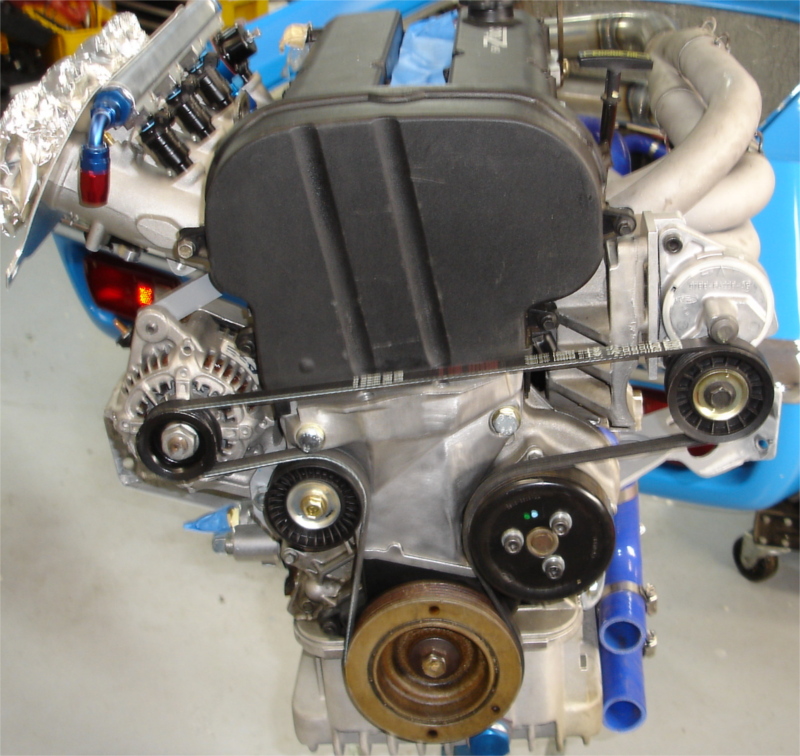
One common issue within the charging system is a loose belt connected to the alternator or a worn-out tensioner. If the belt lacks proper tension, it can slip, preventing the alternator from rotating at the necessary speed to generate adequate electrical current. This undercharging means the battery isn’t receiving the vital replenishment it needs, leading to a gradual but definite power depletion that can leave you stranded without warning.
Furthermore, a faulty alternator diode can present a more insidious problem. Diodes are essential components that ensure electricity flows in only one direction. If a diode goes bad, it can allow current to flow backward from the battery into the alternator even when the engine is off. This ‘reverse’ flow is a form of parasitic drain, causing your battery to slowly discharge overnight, often resulting in a car that mysteriously won’t start in the morning, despite appearing perfectly fine the day before.

7.While some car battery drains are obvious, like accidentally leaving your headlights on, many are caused by ‘parasitic drain’ – a continuous power draw from the battery even when the vehicle is completely turned off, occurring when an electrical component or system continues to run beyond the normal minimal draw for essential functions like maintaining clock memory or radio presets, and when this draw exceeds typical parameters, it can rapidly deplete a fully charged battery.
Common causes of an excessive parasitic drain include a range of electrical faults. A faulty door light switch, for instance, might cause the interior lights to remain subtly illuminated or trick the system into thinking a door is ajar, leading to a constant power draw. Similarly, a malfunctioning door lock actuator, a trunk lock switch, or even a faulty car stereo or its associated wiring can keep electrical circuits active that should otherwise be dormant. These components, often hidden, are notorious culprits for unexpectedly killing a battery.
Aftermarket electrical parts, if installed incorrectly, represent another significant source of undetected parasitic drain. Upgraded audio systems, alarm systems, or additional lighting can, without proper wiring and relays, continuously draw power, bypassing the vehicle’s normal power-down protocols. Diagnosing these insidious drains often requires specialized tools like a multimeter and a systematic approach of checking fuses one by one to isolate the offending circuit. Addressing these issues promptly is crucial for maintaining battery health and vehicle reliability.
8. **Extreme Temperatures (Car Battery)**Car batteries are remarkably resilient components, yet they have a distinct Achilles’ heel: extreme temperatures. These environmental factors, often overlooked, can significantly accelerate battery degradation and lead to unexpected power drains. When the mercury dips below 10 degrees Fahrenheit or soars above 100 degrees Fahrenheit, your car battery is put under immense stress, impacting its ability to function optimally. This vulnerability is a critical concern for drivers in regions experiencing dramatic seasonal shifts.
In cold conditions, the chemical reactions within the battery slow down, reducing its overall capacity and making it harder to deliver the necessary current to start the engine. Conversely, excessive heat can accelerate the evaporation of the battery’s internal fluids and promote sulfation, where lead sulfate crystals begin to build up on the battery plates. This crystal formation leads to long-term depletion and makes it increasingly difficult for the battery to accept and hold a full charge, creating a persistent power drain.
The impact of extreme temperatures isn’t just about immediate performance; it also affects the battery’s overall lifespan. Batteries subjected to harsh thermal conditions tend to wear out faster, meaning you might find yourself needing replacements more often than the typical three to five years. This accelerated degradation not only costs money but also increases the likelihood of being stranded with a dead battery when you least expect it.
To counteract the damaging effects of temperature extremes, proactive measures are highly recommended. Parking your vehicle in a garage, away from the direct onslaught of scorching sun or freezing winds, can provide a significant buffer. During colder months, using a battery blanket can help maintain a more stable internal temperature, preventing the chemical processes from slowing down too much. These seemingly small steps can make a noteworthy difference in preserving battery health and ensuring reliability.
Ultimately, recognizing that battery maintenance and weather conditions profoundly affect battery life is crucial. While we cannot control the weather, we can implement strategies to protect our vehicle’s power source. Understanding these environmental vulnerabilities empowers consumers to take practical steps that extend battery life and prevent the frustration of a car that won’t start due to temperature-induced parasitic drain.
9. **Failing Alternator**Beyond external factors, a failing alternator stands as one of the most significant mechanical culprits behind a mysteriously drained car battery. The alternator is often aptly described as the heart of your car’s electrical system because its primary responsibility is to continuously recharge the battery while the engine is running and simultaneously power all of the vehicle’s electrical components. When this vital system begins to falter, the battery loses its essential source of replenishment, leading to a gradual but certain power depletion, even during drives.
A clear sign of an alternator in distress is its inability to properly charge the battery. When the alternator goes bad, the battery cannot recharge, which means it relies solely on its stored energy until it is entirely depleted. This can lead to a range of electrical issues, from dimming headlights to non-functional accessories, culminating in the complete inability to start the car. A typical alternator is designed to last a substantial period, generally about seven years or between 100,000 and 150,000 miles, but like any mechanical part, it is subject to wear and eventual failure.
One insidious aspect of a malfunctioning alternator can be a bad diode. Diodes within the alternator are critical for ensuring that electricity flows in only one direction. If one of these diodes becomes faulty, it can allow current to flow backward from the battery into the alternator, even when the engine is completely turned off. This “reverse” flow acts as a parasitic drain, slowly but consistently discharging your battery overnight. This often manifests as a car that refuses to start in the morning, despite appearing perfectly fine when parked the previous evening.
Moreover, issues like a loose belt connected to the alternator or a worn-out tensioner can severely compromise the charging system; if the belt lacks proper tension, it may slip, preventing the alternator from spinning at the necessary speed to generate sufficient electrical current, leading to undercharging and a gradual yet definite power depletion that can leave you stranded unexpectedly.
Recognizing the symptoms of a failing alternator early is key to preventing a dead battery. While some symptoms, like warning lights on the dashboard, are obvious, others, such as gradually dimming lights or an alternator overheating due to a bad diode, might be subtler. Regular inspections and timely repairs are crucial for maintaining the integrity of your car’s charging system, ensuring your battery remains charged and your vehicle’s electrical components are powered efficiently.
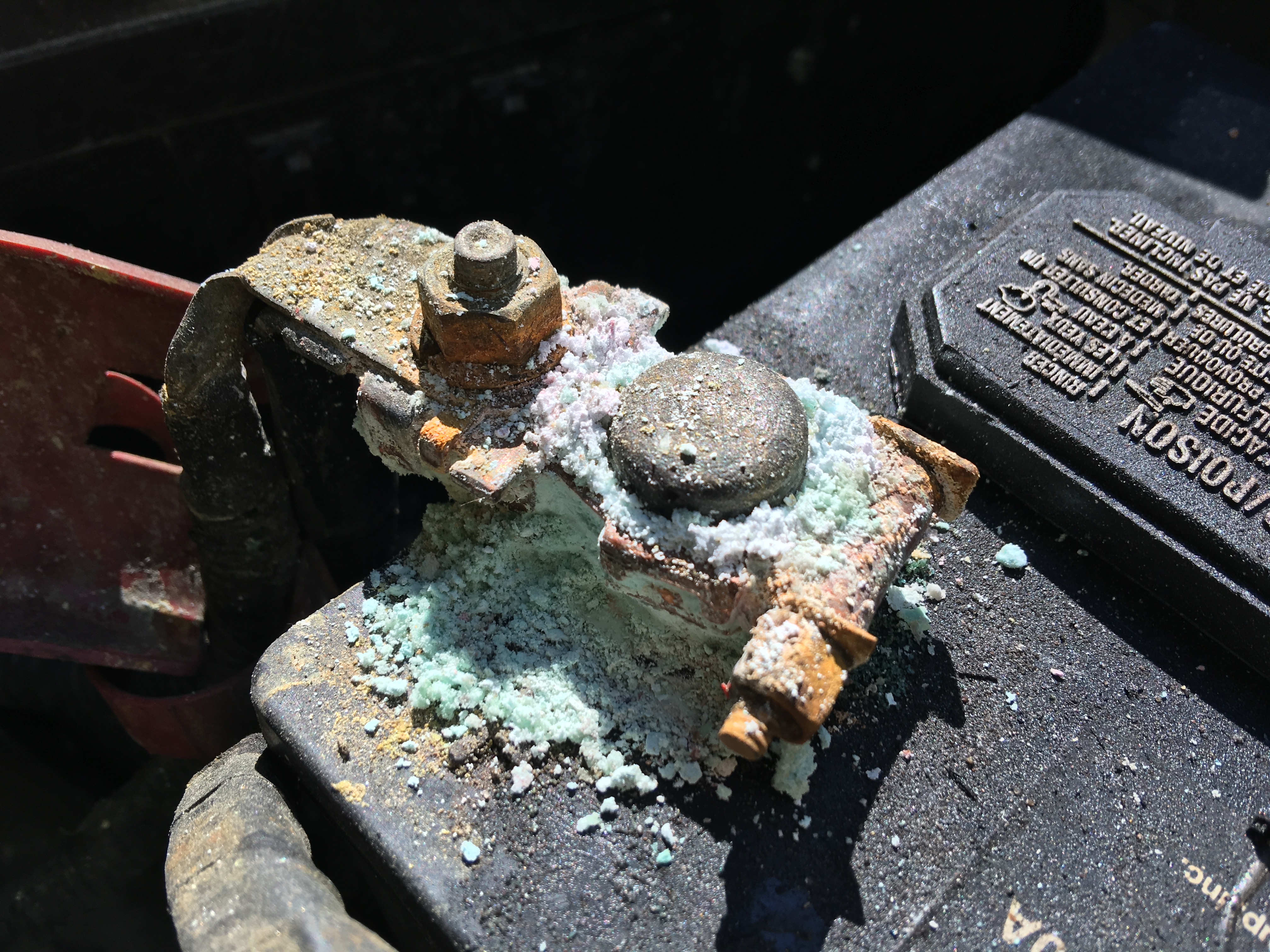
10.Even if your car’s alternator is functioning perfectly, ensuring your battery receives a full charge can be surprisingly challenging if the connections themselves are compromised, as loose or corroded battery connections are a frequent but often overlooked cause of poor battery performance and parasitic drain that can create significant resistance, preventing effective charging or discharging and ultimately leading to premature battery failure.
Corrosion is particularly problematic, often appearing as a pale blue or white chalky substance on the positive and negative battery terminals. This build-up occurs over time due to a chemical reaction between the battery terminals and the surrounding air, exacerbated by factors like heat and moisture. When corrosion forms, it acts as an insulator, impeding the flow of electrical current between the battery and the vehicle’s electrical system. This means that even if your alternator is generating power, not enough of it can reach the battery to charge it efficiently, nor can the battery deliver its full power to the starter motor.
Beyond hindering charging, corroded terminals can themselves draw a small but continuous current, exacerbating the parasitic drain. This constant, albeit minor, draw can chip away at the battery’s energy, especially if the vehicle is parked for an extended period. Over time, this cumulative effect not only drains the battery but also reduces its overall efficiency and shortens its lifespan, forcing earlier replacement than would otherwise be necessary.
The practical recommendation for addressing this issue is straightforward: regular inspection and maintenance of your battery cables and terminals are essential. It doesn’t take much time to periodically check for a secure connection and any signs of corrosion. If you notice the tell-tale pale blue or white chalky substance, it’s crucial to address it promptly.
The cleaning process involves disconnecting the battery from your vehicle and scrubbing the posts thoroughly with a paste made of baking soda and water. This solution neutralizes the corrosive acids, allowing you to effectively remove the build-up. After rinsing away the debris and ensuring the terminals are clean and dry, reconnecting the cables securely will help restore optimal electrical flow, preventing unnecessary drain and prolonging your battery’s health and reliable performance.

11. **Short Trips or Infrequent Driving**One of the less obvious yet pervasive causes of car battery drain stems directly from our driving habits, specifically taking short trips or driving infrequently. While it might seem counterintuitive that driving could deplete a battery, the reality is that the alternator, which is responsible for recharging the battery, requires sufficient operating time to perform its function effectively. Short excursions simply do not provide this crucial window, leaving your battery consistently undercharged.
When you engage in frequent short drives, such as quick errands to the local grocery store, the alternator doesn’t have enough time to adequately replenish the energy expended during startup. Starting the engine demands a significant burst of power from the battery. If the subsequent drive is too brief, the alternator cannot fully compensate for this initial drain before the engine is turned off again. This cycle of heavy discharge and insufficient recharge leads to a gradual but definite depletion of the battery’s overall charge level over time.
City driving, with its constant cycle of stopping and starting, further intensifies this problem, as each acceleration puts additional strain on the battery, and this repeated demand for high power draws, combined with insufficient charging periods, means the battery is perpetually working harder without adequate recovery time, which exacerbates its degradation.
To maintain your battery’s health and prevent this form of parasitic drain, experts strongly suggest occasionally taking longer drives. These extended trips, ideally on highways where the engine can run consistently at higher RPMs, give the alternator ample time to fully recharge the battery. This allows the battery to reach its optimal charge level, which is critical for its long-term health and capacity to hold a charge.
It is worth noting that some modern vehicles, particularly electric or hybrid cars, incorporate regenerative braking systems. This innovative technology captures kinetic energy generated during braking and converts it back into electricity, using it to charge the battery. While this feature helps to some extent in mitigating battery drain during short distances and stop-and-go traffic, it doesn’t entirely negate the benefits of longer drives for overall battery conditioning, particularly for conventional internal combustion engines.

12. **Aging or Faulty Battery**Sometimes, despite meticulous maintenance and careful driving habits, a car battery simply becomes too weak or old to reliably hold a charge, making it a primary culprit for unexpected drains. The lifespan of a car battery is not infinite; under normal operating conditions, most automotive batteries are designed to last between three and five years. As a battery ages, its internal components degrade, reducing its overall capacity and ability to store electrical energy effectively.
An old or failing battery has a significantly reduced capacity to retain its charge, meaning that even minimal parasitic drains—such as those required to maintain clock memory or radio presets—can cause it to die much quicker than a newer, healthier equivalent. This decreased efficiency means the battery struggles to meet the demands of starting the engine and powering accessories, leading to frustrating failures when you expect your vehicle to perform. It’s not necessarily a *fault* in the system, but rather the natural decline of a consumable component.
Beyond just age, various factors can accelerate this degradation. If a vehicle is consistently driven in extreme temperatures—either very cold or very hot—or if it is frequently pushed to its operational limits, the battery will inevitably wear out faster. These harsh conditions place additional stress on the battery’s internal chemistry, shortening its effective lifespan and necessitating more frequent replacements. Therefore, while a three-to-five-year window is a general guideline, individual circumstances can significantly alter this timeline.
Recognizing the signs of an aging or faulty battery is crucial for proactive vehicle maintenance. Slow cranking when starting the engine, dimming headlights, or a battery warning light on the dashboard can all be indicators that your battery is nearing the end of its useful life. Rather than waiting for a complete failure that leaves you stranded, it is generally good practice to consider replacing your battery before it reaches the critical point where it can no longer reliably power your vehicle.
Making this replacement a preventative measure can save you from inconvenient breakdowns and the associated costs of roadside assistance. Given that a parasitic draw can significantly shorten a battery’s average lifespan, ensuring your battery is healthy and within its optimal age range is a fundamental step in preventing recurrent power drain issues and maintaining the overall reliability of your vehicle’s electrical system.

13. **Improperly Installed Aftermarket Accessories**In the pursuit of personalized driving experiences, many vehicle owners opt for aftermarket accessories, ranging from upgraded audio systems and alarm systems to additional lighting or remote starters. While these modifications can enhance comfort and functionality, they also introduce a significant potential for parasitic drain if not installed with meticulous care and professional expertise. Improperly wired or integrated aftermarket electrical parts represent a common source of continuous power draw that bypasses the vehicle’s normal power-down protocols.
The fundamental issue arises when these accessories are wired directly to the battery or to a circuit that remains live even when the car is turned off, without appropriate relays or switches to interrupt the power flow, such as an aftermarket audio system that fails to shut off properly or an upgraded security alarm system that triggers inadvertently or maintains a heightened state of vigilance, continuously siphoning power.
Other examples include additional lighting, such as fog lights or interior ambient lights, which, without proper installation, might remain subtly illuminated or simply draw a baseline current when they should be dormant. Remote starters also require a constant connection to the vehicle’s electrical system, and if their installation is flawed, they can contribute significantly to parasitic drain. These accessories often require additional power that the vehicle’s original battery and electrical system might not be designed to deliver without careful integration.
To mitigate these risks, it is paramount to approach aftermarket installations with caution. For those without confidence in their electrical wiring abilities, seeking a professional for installation is the strongest recommendation. Automotive technicians possess the knowledge and tools to ensure that any new accessory is properly wired with appropriate relays and fuses, integrating seamlessly into the vehicle’s existing electrical architecture without creating unwanted parasitic draws. They know how to prevent any unwanted battery drain, ensuring your customized features don’t come at the cost of reliability.
Regularly checking your car’s electrical system and being mindful of any new drains after an accessory installation can also help catch potential problems early. This proactive approach, coupled with professional installation for complex additions, ensures that your aftermarket enhancements genuinely improve your driving experience rather than becoming a frustrating source of a dead battery and unnecessary troubleshooting.

14. **Malfunctioning ECUs, Relays, and Sensors**Modern vehicles are complex systems, with their functionality deeply intertwined with electronic control units (ECUs), relays, and various sensors. While designed for precision, a malfunction in any of these critical components can become an insidious source of parasitic drain, silently depleting your car battery and leading to unexpected starting issues. These problems often present a more complex diagnostic challenge than simple oversights.
Relays, for instance, act as electrical switches controlled by the ECU. A common fault occurs when a relay gets stuck in the “on” position or fails to properly deactivate when the vehicle enters its low-power sleep mode. Although a healthy relay draws negligible power when the car is off, a faulty one will continuously draw current, placing an unnecessary load on the battery. Identifying these can often be done by consulting your owner’s manual to locate relays under the hood and systematically testing them.
The electronic control unit (ECU) itself, the vehicle’s central processing unit, is another significant potential culprit that ideally enters a low-power state when the car is parked, but ECUs can malfunction due to internal damage or software glitches, causing them to fail to power down correctly and continue to draw substantial power, leading to rapid battery depletion, often requiring specialized tools for diagnosis or replacement.
Furthermore, a range of sensors and switches, including faulty door or window sensors and the ignition switch, can contribute to these drains. A malfunctioning door switch might falsely register an open door, keeping interior lights subtly illuminated or preventing systems from fully deactivating. Similarly, an ignition switch that fails to disengage completely after the engine is off can keep essential electrical circuits active, slowly but persistently drawing power. Even a faulty starter motor or malfunctioning spark plugs can increase the electrical load, stressing the battery and accelerating its decline.
Successfully addressing these complex issues demands a systematic diagnostic approach. As previously mentioned, using a multimeter to identify circuits with excessive draw is a critical first step. Pinpointing the exact malfunctioning relay, sensor, or ECU is essential for resolving the parasitic drain and safeguarding your vehicle’s long-term battery health, ultimately preventing the frustrating surprise of a mysteriously dead battery.
As we’ve navigated the many ways our devices and vehicles can fall victim to these unwelcome power drains, it’s clear that vigilance and informed action are our best defenses, from managing smartphone apps to understanding your car’s alternator, each bit of knowledge empowers you to extend battery life and ensure reliability, so don’t let these sneaky power vampires win by adopting proactive maintenance and smart usage habits to keep your gadgets and vehicles running smoothly, ready for anything, without the frustrating surprise of a dead battery.