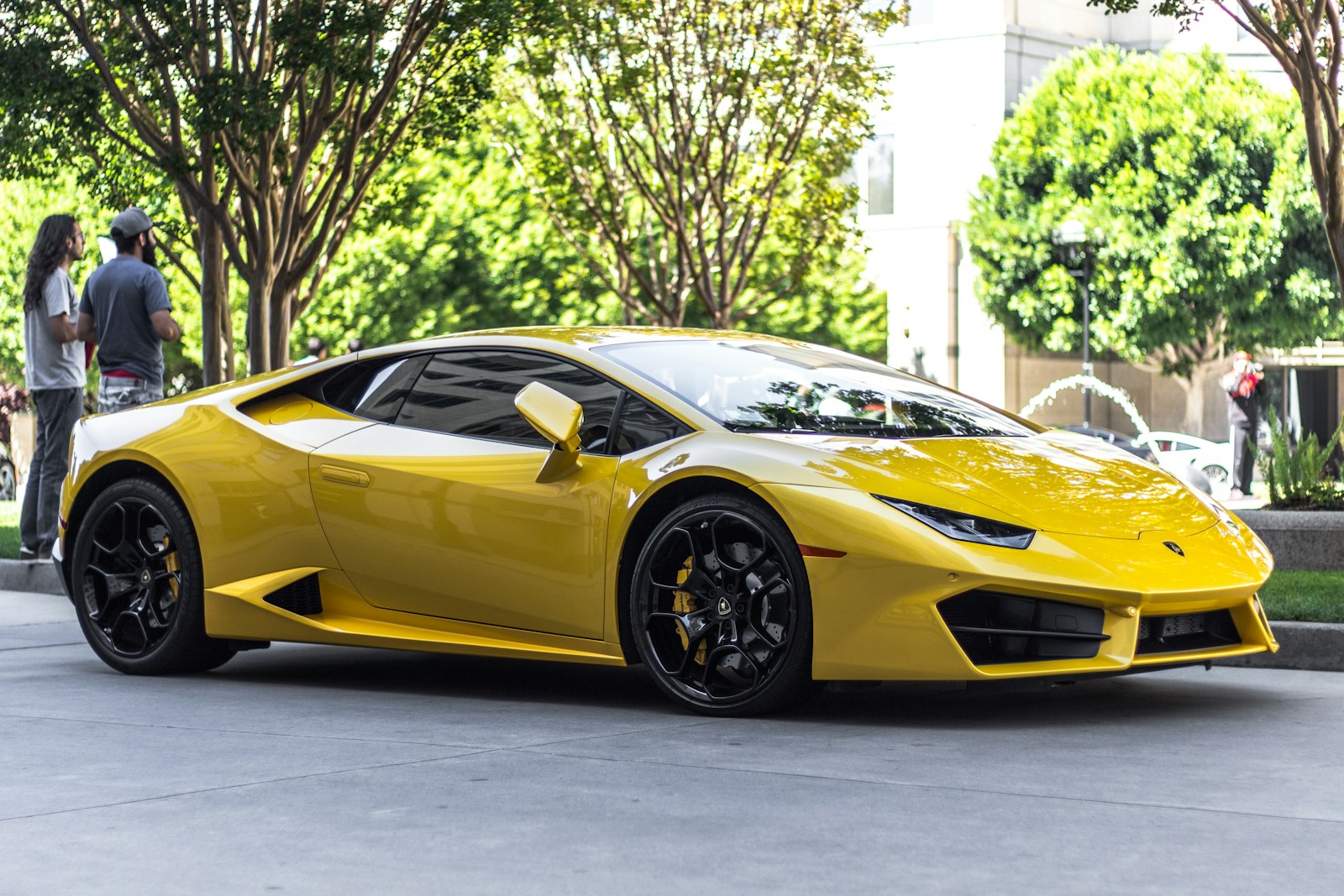
The automobile’s story is an amazing tale of human creativity and our constant drive for movement, evolving from simple steam-powered contraptions to the smart vehicles we see today. More than just a way to get around, the car has sparked massive social shifts, fueled economic growth, and driven endless technological progress, changing the world and connecting people everywhere.
Indeed, the car, a motor vehicle typically defined by its ability to carry 1-8 people on roads with four wheels, has transcended its initial purpose. It has become an indispensable part of modern life, with around 1.644 billion cars in use worldwide as of January 2025. This incredible proliferation highlights a dynamic history filled with groundbreaking inventions, pivotal industrial shifts, and an ongoing quest for refinement in every aspect of its design and function.
In this comprehensive exploration, we delve into the multifaceted evolution of the automobile, unraveling the key milestones that have brought us to the present day. From the audacious visionaries who first dared to dream of self-propelled vehicles to the complex interplay of propulsion systems, user interfaces, safety mechanisms, and environmental considerations, we trace the intricate path of a machine that continues to drive progress and spark passion across the globe.

1. **The Genesis of the Automobile: Early Inventions and Pioneers**The idea of a self-propelled vehicle has roots stretching back centuries, with early experiments laying crucial groundwork. Concepts such as Hans Hautsch’s clockwork-driven carriage in 1649 and Ferdinand Verbiest’s steam-powered model toy in 1672 illustrate this enduring fascination. However, these were either theoretical or lacked the capacity for human transport, serving more as imaginative precursors to the mechanical age.
The breakthrough towards a functional, full-scale self-propelled machine is largely credited to Nicolas-Joseph Cugnot, who in about 1769 built a steam-powered tricycle. He also developed steam tractors for the French Army, demonstrating the practical potential of his innovations. Despite his pioneering work, Cugnot’s vehicles faced significant challenges, primarily related to maintaining consistent water supply and steam pressure, which limited their widespread utility and foreshadowed the need for more efficient power sources.
The 19th century witnessed further significant strides, particularly with the emergence of the internal combustion engine. While early steam-powered road vehicles like Richard Trevithick’s “Puffing Devil” in 1801 proved impractical, the invention of internal combustion engines by figures such as Nicéphore Niépce and François Isaac de Rivaz in 1807 opened new avenues. The true birth of the modern, marketable car, however, arrived in 1886 when Carl Benz patented his Benz Patent-Motorwagen, an invention that cemented his legacy as the acknowledged inventor of the automobile, closely followed by independent efforts of Gottlieb Daimler and Wilhelm Maybach.

2. **The Dawn of Mass Production: Fordism and Global Expansion**The transition from individually crafted vehicles to mass-produced automobiles fundamentally transformed the industry, making cars accessible to a much broader market. Ransom Olds initiated large-scale, production-line manufacturing of affordable cars at his Oldsmobile factory in Lansing, Michigan, beginning in 1901. This built on earlier stationary assembly line techniques, marking a pivotal step towards democratizing vehicle ownership.
The real revolution in mass production, however, was engineered by Henry Ford with the introduction of the world’s first moving assembly line for cars at the Highland Park Ford Plant in 1913. This innovation dramatically accelerated production, enabling cars to roll off the line every 15 minutes. This eightfold increase in productivity, coupled with a significant reduction in required manpower, meant the Model T became incredibly affordable; by 1914, an assembly line worker could purchase one with just four months’ pay.
Ford’s approach, termed “Fordism,” integrated high wages with exceptional efficiency, influencing major industries worldwide and contributing significantly to the economic rise of the United States. Its success rapidly spread globally, with Ford establishing plants across Europe. Other manufacturers, like Citroën in 1921, quickly adopted similar production methods. In Japan, post-World War II, companies such as Toyota, Nissan, and Honda transitioned to car manufacturing, establishing themselves as global leaders through their embrace of efficient production.

3. **Evolution of Automotive Technology: Beyond the Piston Engine**The continuous evolution of automotive technology has propelled cars far beyond their rudimentary beginnings, driven by relentless innovation and competition. Key developments in the early 20th century, such as Charles Kettering’s electric ignition and electric self-starter for Cadillac in 1910–1911, eliminated cumbersome manual operations and significantly improved usability. These innovations were crucial in making cars more appealing and practical for everyday drivers.
Further advancements included independent suspension, which dramatically enhanced ride comfort and handling by allowing each wheel to react to road conditions separately. Four-wheel brakes also provided vastly improved stopping power and control, critical for safety as vehicle speeds increased. These, along with countless smaller refinements from hundreds of competing manufacturers, transformed the driving experience, making vehicles more reliable, comfortable, and dynamically capable.
While gasoline engines became standard in the 1910s, the search for different power sources never stopped, with Rudolf Diesel creating his engine in 1897 and Mazda even experimenting with rotary engines, all building on countless innovations that shaped the modern car.

4.For most of its history, the car has relied heavily on fossil fuels like petrol, diesel, and gas, but this is changing rapidly due to growing concerns about climate change and the need for energy independence.
A monumental shift is currently underway towards alternative power systems, prominently featuring the resurgence of electric vehicles (EVs). Though conceptualized early in automotive history, EVs only gained commercial viability in the 2000s and have become widespread in the 2020s. This transition is central to most climate change mitigation strategies, signaling a profound reorientation of the automotive industry away from fossil fuels.
The shift is characterized by a diverse range of technologies, including hybrid vehicles that combine ICEs with electric motors for efficiency, and plug-in electric vehicles (PHEVs) offering extended electric-only ranges. Hydrogen vehicles, powered by fuel cells, represent another promising zero-emission pathway. Despite projections that one in four cars sold will be electric by 2025, the global fleet remains largely fossil-fueled, with less than one in twenty cars being fully electric or plug-in hybrid by the end of 2024, highlighting the scale of this ongoing energy transformation.

5. **Inside the Cockpit: The Evolution of Car Controls and User Interface**The interaction between driver and vehicle, once managed by a sparse collection of mechanical levers, has evolved into a sophisticated dance with integrated electronic systems. Early automobiles like the Ford Model T featured non-standardized and often complex control schemes, requiring drivers to master distinct operational nuances for different functions such as braking, gear changes, and throttle input. This era was characterized by a steep learning curve and a direct, physical connection to the car’s mechanics.
While basic controls like the gas and brake pedals are now standard for safety and ease of use, innovation continues with electric vehicles and connected technology constantly changing how we interact with our cars.
Modern cars have largely retired many original mechanical controls, such as the choke valve, manual ignition timing, and the crank starter, in favor of automated or electronic systems that simplify operation. In their place, a wealth of new controls has been introduced to manage features like air conditioning, navigation, and in-car entertainment. The 21st century has also witnessed a trend towards replacing physical knobs and switches with touchscreen interfaces, consolidating multiple functions into intuitive digital displays, and increasingly, replacing physical linkages with electronic “drive-by-wire” systems for more precise control.

6. **Comfort and Connectivity: Interior Electronics and Lighting Systems**Modern car interiors have evolved into sophisticated environments, equipped with a comprehensive suite of electronic systems designed to enhance comfort, convenience, and safety for all occupants. Standard features now include interior lighting, often with automatic activation upon door opening, and advanced entertainment systems that trace their lineage back to simple car radios, now offering extensive media and connectivity options.
Convenience features have also seen significant advancement, moving from manual to electrical operation for components like sideways windows, providing effortless control. Furthermore, cars typically offer one or more auxiliary power outlets, serving as crucial charging points for a range of portable devices, from mobile phones to power inverters, transforming the vehicle into a versatile mobile power hub. These systems are diligently protected by dedicated automotive fuses and circuit breakers, safeguarding against electrical overloads.
Car lighting is essential for seeing and being seen, with headlights, taillights, brake lights, and turn signals all working together to ensure safety on the road, day and night.

7. **The Shifting Silhouette: Car Weight, Size, Seating, and Body Styles**The physical characteristics of cars, including their weight, size, seating arrangements, and overall body styles, have undergone substantial transformations driven by technological advancements, evolving safety standards, and changing consumer demands. In recent decades, particularly the late 20th and early 21st centuries, cars have generally increased in weight. This trend is attributed to the integration of heavier components such as batteries in electrified vehicles, robust modern steel safety cages, and numerous safety features like anti-lock brakes and airbags. As of 2019, cars commonly weigh between 1 and 3 tonnes.
The increasing weight of vehicles presents a complex dynamic: while heavier cars often provide enhanced safety for their occupants in a collision due to greater mass and structural integrity, they concurrently pose a higher risk to lighter vehicles and vulnerable road users. Furthermore, vehicle weight significantly impacts fuel consumption and performance, with greater mass typically leading to increased fuel usage and diminished dynamic capabilities. The wide disparity is evident when comparing a 700-kilogram city car like the Wuling Hongguang Mini EV to an extended-length SUV such as the Chevrolet Suburban, which can have a gross weight of 3,300 kilograms.
Consumer preferences for passenger and cargo capacity have driven a vast diversification in car body styles. Most standard cars are designed to seat four or five occupants. Larger vehicles, including full-size cars and significant sport utility vehicles (SUVs), can comfortably accommodate six, seven, or even more passengers through flexible seating configurations, catering to larger families or those requiring extensive passenger transport capabilities. At the other end of the spectrum, sports cars are predominantly engineered with only two seats, prioritizing performance and a focused driving experience, illustrating the automotive industry’s remarkable adaptability and responsiveness to market demands.
Navigating the complexities of modern mobility requires a keen understanding of the automobile’s broader implications, extending far beyond its mechanical prowess. As we shift from the car’s foundational journey, our focus now sharpens on its societal footprint, environmental challenges, and the horizon of transformative technologies shaping its future. This section delves into the critical aspects of automotive safety, evaluates the intricate economic and social implications of car usage, addresses the significant environmental challenges vehicles pose, and looks ahead to the emerging technologies, autonomous driving, collaborative mobility models, and the global dynamics of the automotive industry shaping tomorrow’s transportation landscape.

8. **Automotive Safety: The Unrelenting Pursuit of Protection**From its earliest days, the automobile, while offering unparalleled freedom, has also presented inherent risks. Historical records sadly document some of the very first car fatalities, with Mary Ward in 1869 in Ireland and Henry Bliss in 1899 in New York City marking grim milestones. These early tragedies underscored an immediate need for engineering and operational improvements to safeguard both occupants and other road users. This pursuit of safety has become a cornerstone of automotive design and innovation.
Today, the rigorous testing and validation of new vehicles are paramount, driven by entities like Euro NCAP and US NCAP, which conduct standardized crash tests to assess vehicle integrity and occupant protection. Industry-backed programs, such as those by the Insurance Institute for Highway Safety (IIHS), further complement these efforts, providing consumers with crucial data for informed buying decisions. However, it is essential to recognize that while these tests enhance occupant safety, they do not always fully account for the safety of those outside the vehicle, including pedestrians and cyclists, highlighting an ongoing challenge for comprehensive road safety.
The commitment to safety continues to evolve, with many countries tightening regulations for new cars. Initiatives such as mandating data recorders and automated braking systems aim to proactively prevent collisions and provide critical information post-incident. This ongoing regulatory push, coupled with relentless technological advancement, underscores the industry’s dedication to making every journey as secure as possible, acknowledging safety as a continuously moving target in automotive development.

9. **The Double-Edged Sword: Economic and Social Impacts of Car Usage**The decision to own and operate a car involves a complex weighing of financial outlays against tangible benefits. For individuals, the costs are considerable, encompassing the initial acquisition, potential interest payments, ongoing repairs and maintenance, fuel expenses, and the inevitable depreciation of value. Further economic considerations include driving time, parking fees, various taxes, and essential insurance premiums. Yet, these costs are balanced by the profound personal benefits: the unparalleled convenience of on-demand transportation, enhanced mobility, and a significant sense of independence that a personal vehicle provides.
Beyond individual considerations, car usage ripples through society with both broad costs and substantial benefits. Societal expenditures include maintaining extensive road networks, the significant land use required for infrastructure, and the often-cited challenges of road congestion, air pollution, and noise pollution. Public health impacts and the eventual disposal of vehicles at the end of their life also represent considerable societal costs. Conversely, the automotive industry itself is a colossal engine of economic benefits, generating jobs and wealth through production and maintenance. Cars provide essential transportation, contribute to societal well-being through leisure and travel opportunities, and generate substantial tax revenue for governments, all of which have far-reaching implications for the structure of modern societies.
The societal tapestry is also deeply affected by car dependency. In regions like the United States, the prevalence of car-based transport systems can create a “transport divide,” especially in low-income neighborhoods, posing barriers to employment when public transport options are scarce. This often forces individuals to maintain cars they can ill afford. Furthermore, this dependency can unfortunately expose certain communities, such as African Americans, to additional societal hazards, including racial discrimination related to driving, purchasing, financing, and insuring vehicles.
Historically, the automobile introduced an unprecedented dimension to social interactions. During the 1920s, cars offered couples a novel means of “unchaperoned dates,” providing a private space to connect at the end of the evening. This freedom transformed courtship and leisure, profoundly reshaping personal mobility and social norms. The car has consistently transcended its role as mere transport, embedding itself deeply within cultural and social narratives, for better or worse.

10.Cars pose significant environmental problems, harming air quality and contributing to climate change, with vehicles being major sources of carbon emissions, not to mention the plastic waste from manufacturing and disposal that needs urgent solutions.
Specific sources of automotive pollution are numerous and varied. Exhaust gas from diesel and petrol cars is a primary concern, alongside non-exhaust emissions such as dust from brakes, tires, and general road wear, all of which contribute to local air pollution. Larger vehicles, particularly SUVs, are observed to pollute more, intensifying these issues. Beyond air quality, the production, use, and end-of-life disposal of cars release heavy metals and microplastics into the environment. Furthermore, resource extraction for car manufacturing and the risk of oil spills both contribute to water pollution, creating a broad ecological footprint.
The environmental consequences extend to natural ecosystems. Road networks and associated pollution lead to habitat destruction and fragmentation, negatively affecting animal and plant populations. Tragically, “roadkill” accounts for countless animal deaths each year. In response, modern road developments are increasingly incorporating significant environmental mitigation strategies, such as the construction of green bridges designed to allow safe wildlife crossings and the creation of dedicated wildlife corridors, aiming to lessen the ecological impact.
Governments are using taxes and strict rules to encourage cleaner cars, with many aiming to stop selling gas-powered cars by 2050, while cities are creating low-emission zones and investing in alternatives like bike lanes and better public transport.

11.The automotive world is rapidly changing thanks to new technologies, especially battery-powered electric vehicles (BEVs) that are becoming safer and more affordable, and advanced sensors like lidar that are paving the way for self-driving cars.
Beyond hardware, software is rapidly becoming the new frontier in automotive innovation, promising a wealth of new applications. Imagine a car’s software capable of automatically detecting and preventing collisions with pedestrians, significantly enhancing urban safety. These sophisticated algorithms are continuously being refined, moving beyond mere convenience to become integral to the vehicle’s core safety and operational intelligence, fundamentally altering how cars interact with their environment.
The pursuit of lighter, stronger, and more sustainable vehicles is also driving a revolution in materials science. Traditional steel car bodies are being challenged by advanced alternatives such as aluminum, fiberglass, carbon fiber, and innovative biocomposites. Even more cutting-edge materials like carbon nanotubes are being explored for their extraordinary strength-to-weight ratios, promising to yield vehicles that are not only more fuel-efficient but also safer and more environmentally friendly throughout their lifecycle.
Moreover, advancements in telematics are fostering new paradigms of car usage. These technologies enable a growing number of people to engage in car-sharing and carpooling arrangements on a pay-as-you-go basis, promoting more efficient use of resources. The advent of connected car systems is further revolutionizing communication, allowing vehicles to interact with each other and with infrastructure, laying the groundwork for more intelligent and integrated transport networks. While concepts like open-source cars are not yet widespread, the ongoing innovation underscores a dynamic industry constantly pushing the boundaries of what’s possible.

12. **The Road Ahead: The Rise of Autonomous Driving**The concept of fully autonomous vehicles, often referred to as driverless cars, is no longer confined to science fiction but is a burgeoning reality. These sophisticated machines are already operational in limited capacities, notably as robotaxis, demonstrating the practical application of advanced artificial intelligence and sensor technology in controlled environments. The presence of robotic Volkswagen Passats showcased at Stanford University, for instance, highlights the significant strides made in developing vehicles capable of navigating without human input.
However, while these breakthroughs are impressive, the journey towards widespread general use of fully autonomous vehicles still faces considerable challenges and a “long way to go.” This transition involves overcoming complex regulatory hurdles, refining perception and decision-making systems in unpredictable real-world scenarios, and ensuring public trust and acceptance. The ultimate vision is a future where autonomous cars promise to revolutionize safety by eliminating human error, enhance traffic flow, and provide unprecedented accessibility to mobility for a broader segment of the population, fundamentally reshaping personal transportation as we know it.

13.As cities face more traffic and fewer resources, sharing cars and carpooling are becoming popular alternatives to owning a car, offering flexible options for those who don’t need a vehicle all the time.
Services like car sharing allow residents in congested neighborhoods to “share” a vehicle on a pay-as-you-go basis, effectively reducing the number of privately owned cars on the road. This not only alleviates parking pressures and traffic congestion but also offers economic benefits to individuals who might otherwise be burdened by the full costs of car ownership. By fostering a more efficient utilization of existing vehicle fleets, collaborative mobility stands as a pragmatic approach to enhancing urban liveability and promoting sustainable transport practices.

14. **The Global Automotive Stage: Industry Dynamics and Future Trends**The automotive industry is a colossal global enterprise, encompassing the entire spectrum from conceptual design and meticulous development to mass manufacturing, aggressive marketing, and the eventual sale of the world’s motor vehicles. Cars, in particular, constitute more than three-quarters of this massive output, cementing the industry’s role as a fundamental pillar of global economies and technological progress. Its sheer scale and complexity are unparalleled, dictating trends and driving innovation across numerous sectors.
Despite its enduring strength, the industry experiences dynamic shifts in production volumes. In 2020, for example, 56 million cars were manufactured worldwide, a notable decrease from 67 million in the preceding year, reflecting various global economic and supply chain pressures. Geographically, production is highly concentrated, with China leading by a considerable margin (20 million in 2020), followed by robust contributions from Japan (seven million), Germany, South Korea, and India. China also stands as the largest consumer market, underscoring its pivotal role in shaping the industry’s trajectory.
The automotive industry’s history is a testament to relentless competition and continuous evolution, as small manufacturers once fiercely vied for attention with groundbreaking developments. This competitive spirit continues today, albeit on a larger, more globalized scale. From the adoption of Ford’s mass production methods by European manufacturers like Citroën in 1921 to the rise of Japanese giants such as Toyota, Nissan, and Honda post-World War II, the industry has consistently adapted to market needs and technological shifts. This ongoing innovation, driven by both established players and emerging forces, ensures the automotive sector remains a vibrant and essential force in defining the future of transportation.
The car’s journey from its early beginnings to today’s high-tech, eco-friendly, and connected machines is a story of constant progress and major societal influence. As we embrace autonomous driving, green energy, and shared mobility, the car remains a symbol of human innovation and our desire to explore, with its story continuing to unfold and shape our lives.